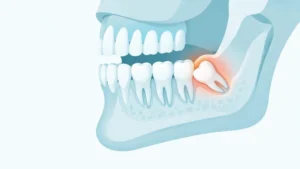
Dealing with wisdom tooth pain? Get clear, easy-to-understand information about impacted wisdom teeth, swelling, infection, jaw pain, ear pain, and common wisdom tooth symptoms. Find out what may help relieve discomfort and when it’s time to talk to a dentist.
Seek professional dental care if your wisdom tooth pain is severe, keeps returning, or is accompanied by other concerning symptoms.
Severe or worsening tooth pain
Swelling around the gum or face
Fever or feeling unwell
Difficulty opening your mouth
Trouble swallowing
Pus, drainage, or a persistent bad taste
Pain that keeps coming back
Difficulty eating or chewing
Important Notice Box - Transparent Background
If symptoms are severe, worsening, or accompanied by swelling, fever, or difficulty swallowing, seek professional dental care immediately.
What May Help Temporarily
A few simple steps may help ease wisdom tooth discomfort temporarily while you arrange dental care.
Rinse gently with warm salt water
Choose soft foods that are easier to chew
Avoid foods that are very hot, cold, hard, or spicy if they worsen discomfort
Keep the area around the tooth clean with gentle brushing
Follow the directions on any appropriate over-the-counter pain reliever
Important Notice Box - Image Colors
These measures may help manage discomfort but do not treat the underlying cause of the problem. See a dentist for proper evaluation.
Wisdom Tooth Pain: How It May Progress
Wisdom Tooth Pain: How It May Progress
Early Discomfort
Mild pressure, tenderness, or slight gum irritation.
Inflammation
Gums may become swollen, red, and more sensitive.
Recurring Pain
Discomfort may come and go and can affect daily activities.
Persistent Symptoms
Ongoing or severe pain may require professional dental care.
When Wisdom Tooth Pain Needs Attention
Wisdom tooth pain is not always caused by the same problem. A tooth that is still erupting may create temporary pressure or gum soreness, while an impacted wisdom tooth can cause repeated discomfort when it cannot come through normally. Inflammation or infection around a partially erupted tooth may also lead to swelling, tenderness, bad taste, or pain that spreads toward the jaw and ear.
Knowing which symptoms to watch for can help you understand when ordinary discomfort may be something more serious. Persistent wisdom tooth pain, increasing swelling, difficulty opening your mouth, fever, or trouble swallowing should not be ignored. These signs can indicate a problem that needs assessment by a dental professional rather than continued home treatment alone.
Our guides break down the most common wisdom tooth problems in simple language, including impacted wisdom teeth, wisdom tooth infection, swollen gums, jaw pain, pain relief, and wisdom tooth removal. Whether you are dealing with a new ache or recurring discomfort, you can find practical information to better understand your symptoms and decide what to do next.
You can manage mild wisdom tooth discomfort at home using gentle warm salt-water rinses to reduce bacteria and inflammation, applying a cold compress to the cheek to ease swelling, maintaining soft foods, and taking appropriate over-the-counter pain relievers. However, these are temporary measures and you should consult a dentist for a proper evaluation.
Yes, wisdom tooth pain can sometimes subside temporarily if the inflammation calms down or if the tooth shifts slightly. However, because wisdom teeth often lack proper alignment or space (impacted teeth), underlying issues like crowding, pressure, or recurrent infections typically return and require professional dental treatment.
Immediate steps for general tooth pain relief include rinsing your mouth with warm salt water, flossing gently around the affected area to remove trapped food debris, applying a cold pack to your outer jaw, and using over-the-counter pain medications as directed. Avoid placing aspirin directly on the gums, as it can cause chemical burns.
When an impacted wisdom tooth presses against nearby nerves or roots, it can cause persistent aching or shooting pain in the jaw, lower face, or neck. Other signs may include numbness or a tingling sensation in the lower lip, tongue, or cheek, along with difficulty fully opening your mouth.