Introduction:
Wisdom tooth pain is often dismissed as a temporary nuisance something to tolerate with painkillers and patience. But in reality, this pain is your body signaling a deeper issue that can escalate quickly if ignored.
Unlike routine toothaches, How to get rid of wisdom tooth pain frequently involves infection, improper eruption, or structural jaw limitations. Understanding why the pain occurs is just as important as knowing how to manage it.
This article breaks down the problem from a medical and practical standpoint what’s happening inside your mouth, what actually helps, and when pain relief is no longer enough.
Why Wisdom Teeth Commonly Cause Pain
Wisdom teeth are evolutionary leftovers. Most modern jaws simply don’t have enough space to accommodate them properly.
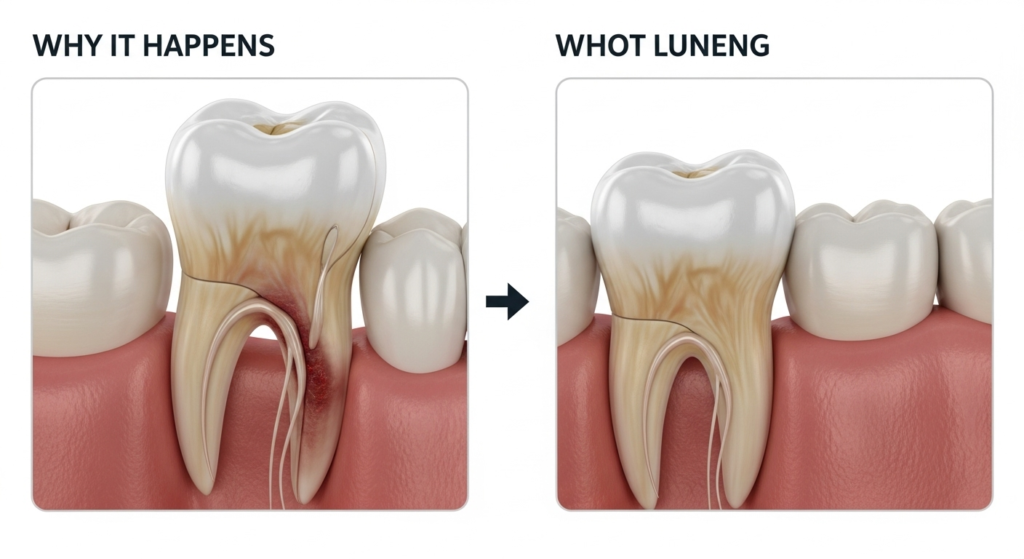
Impacted Wisdom Teeth The Root of the Problem
An impacted wisdom tooth is trapped beneath the gum or grows at an angle. This creates:
- Constant pressure on nearby teeth
- Gum tissue inflammation
- Hidden pockets where bacteria thrive
Pain from impaction doesn’t resolve on its own it often worsens over time.
Gum Infections and Pericoronitis
When a wisdom tooth partially erupts, it leaves a flap of gum tissue that traps food and bacteria. This leads to pericoronitis, a painful infection marked by:
- Swollen, red gums
- Bad breath or foul taste
- Jaw stiffness or difficulty opening the mouth
Left untreated, the infection can spread beyond the mouth.
What Actually Helps Relieve Wisdom Tooth Pain
Pain relief works best when it matches the cause. Temporary solutions may reduce discomfort but they don’t cure the underlying issue.
Immediate At Home Pain Management
These methods help reduce inflammation and irritation:
- Warm saltwater rinses to cleanse bacteria
- Cold compresses to reduce swelling
- Over-the-counter anti-inflammatory medication
These measures are supportive, not curative.
Oral Hygiene Matters More Than You Think
Many people underestimate how quickly bacteria accumulate around wisdom teeth.
Daily care should include:
- Gentle brushing around the affected area
- Antibacterial mouthwash
- Avoiding sticky or hard foods that lodge near the gum line
Good hygiene can slow infection but cannot reverse structural problems.
When Painkillers Are No Longer Enough
If wisdom tooth pain lasts more than a few days or keeps returning, it’s no longer a “wait and see” situation.
Warning Signs You Shouldn’t Ignore
Seek dental evaluation if you notice:
- Persistent swelling
- Fever or general fatigue
- Pain spreading to ear, throat, or neck
- Difficulty swallowing
These symptoms may indicate a spreading infection, which can become medically serious.
The Long Term Solution: Removal Isn’t Always Optional
Wisdom tooth extraction is often portrayed as extreme but in many cases, it’s preventive medicine.
Why Dentists Recommend Early Removal
Removing problematic wisdom teeth can:
- Prevent repeated infections
- Protect nearby healthy teeth
- Reduce the risk of cysts and jaw damage
Earlier removal typically means faster healing and fewer complications.
What Happens If You Delay Too Long
Delaying treatment can lead to:
- Bone loss around adjacent teeth
- Chronic jaw pain
- Costlier, more complex surgeries later
In dentistry, postponement often increases both pain and expense.
Future Implications for Oral Health
Wisdom tooth issues don’t exist in isolation. Chronic inflammation in the mouth is increasingly linked to broader health concerns, including cardiovascular and immune-related conditions.
Addressing wisdom tooth pain early isn’t just about comfort it’s about longterm systemic health.
Conclusion:
Wisdom tooth pain is not random, and it’s rarely harmless. While short-term relief has its place, recurring pain is a sign that something structural or infectious needs attention.
The smartest approach combines informed self care, timely dental evaluation, and proactive treatment decisions. Ignoring the problem doesn’t make it disappear it only gives it time to grow.

Raheel is the founder of WisdomToothPain. info, a specialized platform dedicated to demystifying dental health. As a dedicated digital researcher, Raheel focuses on providing clear, accurate, and evidence-based information to help individuals navigate the complexities of wisdom tooth pain with confidence. This content is for informational purposes only and isn’t a substitute for professional dental advice. Always consult a licensed dentist for diagnosis and treatment.