Introduction
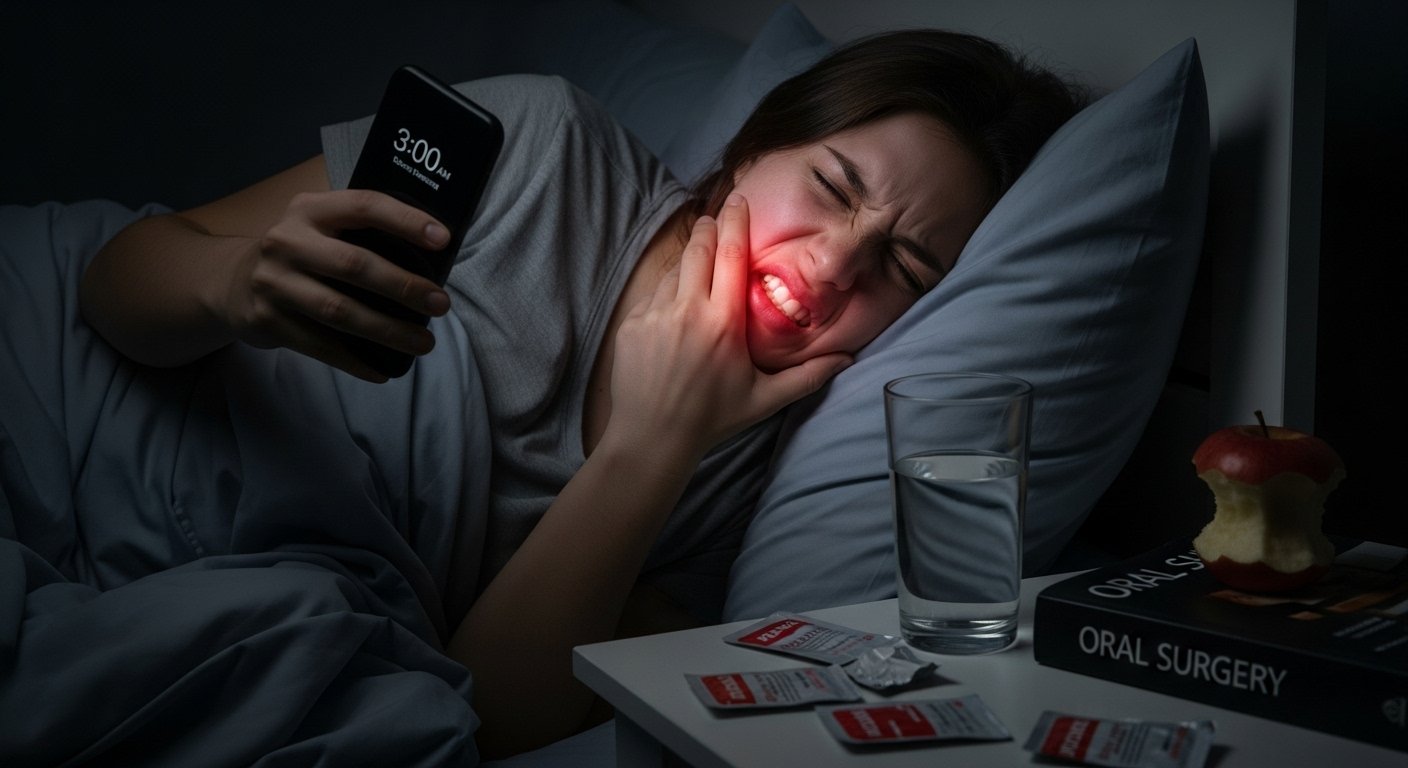
Wisdom tooth pain has a frustrating habit of showing up when you’re finally ready to rest. You might feel fine during the day, only to find a dull throb or sharp, pulsing pain creeping in once your head hits the pillow. This nighttime flare-up isn’t random. It has real physiological causes, and thankfully, real solutions.
This article explains what wisdom tooth pain at night actually is, why it gets worse after dark, how to calm it quickly, and when it’s time to stop relying on home remedies and see a dentist. Whether your discomfort is mild and occasional or strong enough to disrupt sleep, understanding what’s happening puts you back in control.
What Is Wisdom Tooth Pain at Night?
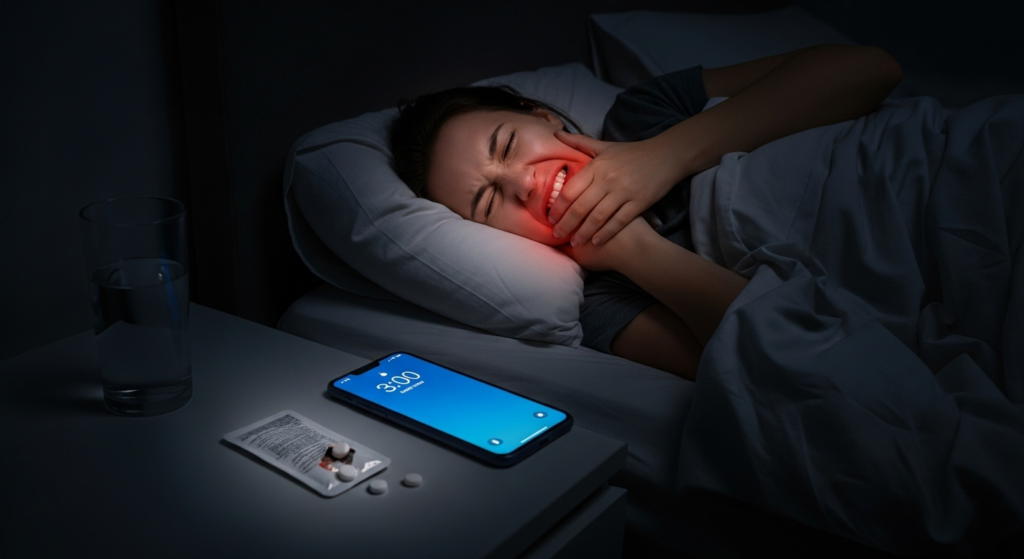
Wisdom tooth pain at night refers to discomfort around the third molars that becomes more noticeable or intense after lying down. The pain can feel:
- Throbbing or pulsing
- Dull and pressure-like
- Sharp when biting or swallowing
It may radiate to the jaw, ear, neck, or head. Some people experience it on and off, while others feel steady discomfort for several nights in a row.
Why Wisdom Tooth Pain Gets Worse After Dark

Nighttime pain isn’t just in your head. Several factors work together to amplify discomfort once the lights go out.
Increased Blood Flow When Lying Down
When you lie flat, gravity allows more blood to flow to your head and gums. If the tissue around a wisdom tooth is inflamed, this increased circulation can intensify pressure and pain.
Fewer Distractions
During the day, your brain is busy. At night, everything quiets down. With fewer distractions, your nervous system becomes more aware of pain signals that were easier to ignore earlier.
Jaw Clenching and Grinding
Many people clench or grind their teeth during sleep, often without realizing it. This extra pressure can aggravate an already sensitive wisdom tooth and the surrounding jaw muscles.
Reduced Saliva Production
Saliva helps wash away bacteria. At night, saliva flow slows, allowing bacteria to accumulate more easily around partially erupted wisdom teeth, increasing irritation.
Common Causes of Night-Time Wisdom Tooth Pain
Wisdom tooth pain isn’t caused by just one issue. Several underlying problems can contribute, sometimes at the same time.
Gum Inflammation (Pericoronitis)
When a wisdom tooth only partially erupts, a flap of gum tissue can remain over it. Food and bacteria get trapped under this flap, leading to swelling, tenderness, and infection. Pain often worsens at night.
Eruption Pressure
As wisdom teeth push through bone and gum tissue, they create pressure that can spread through the jaw. This pressure tends to feel stronger when you’re lying down.
Impacted Wisdom Teeth
An impacted wisdom tooth is trapped beneath the gum or pushing against another tooth. This can cause persistent pain, jaw stiffness, and nighttime throbbing.
Infection or Abscess
If bacteria invade the area, an infection can develop. Signs include swelling, a bad taste in the mouth, pus, fever, and worsening pain at night.
Jaw Muscle Strain
Jaw tension or temporomandibular joint (TMJ) stress can make wisdom tooth discomfort feel more severe, especially when muscles tighten during sleep.
Who Is Most Affected and When It Starts
- Typical age range: 17–25 years
- Higher risk factors: Crowded jaws, poor oral hygiene, impacted teeth
- Pain pattern: Often comes in waves, with calm periods followed by flare-ups
Nighttime pain is most common during early eruption stages or when inflammation or infection is present.
How to Relieve Wisdom Tooth Pain at Night (Fast Relief)
If pain strikes before bed, these steps can help calm things down enough to rest.
Elevate Your Head
Sleep with one or two extra pillows. Keeping your head elevated reduces blood flow to the gums and can ease throbbing.
Cold Compress
Apply an ice pack or cold compress to the outside of your cheek for 15 minutes, then take a break. Cold reduces swelling and numbs pain.
Warm Saltwater Rinse
Dissolve half a teaspoon of salt in warm water and gently rinse your mouth. This helps reduce bacteria and soothe irritated gum tissue.
Targeted Relief Options
Clove Oil (Diluted)
Clove oil contains eugenol, a natural anesthetic. Apply a small, diluted amount to the sore area using a cotton swab. Never use it undiluted.
Over-the-Counter Pain Relievers
Ibuprofen can reduce inflammation, while acetaminophen helps with pain. Always follow dosage instructions and avoid mixing medications unless advised by a healthcare provider.
Soft Night-Time Diet
Stick to soft foods in the evening. Avoid crunchy, sticky, spicy, or sugary foods that can irritate gums or get lodged near the wisdom tooth.
Natural vs. Over-the-Counter Options
| Option | Best For | Benefits | Limitations |
| Saltwater rinse | Gum irritation | Safe and inexpensive | Temporary relief |
| Cold compress | Swelling | Fast-acting | Short duration |
| Clove oil | Localized pain | Natural numbing | Must be diluted |
| Ibuprofen | Inflammation | Strong pain control | Not suitable for everyone |
Sleeping Positions and Night-Time Habits That Help
Small changes in how you sleep can make a noticeable difference.
- Sleep on the opposite side of the painful tooth
- Avoid lying completely flat
- Brush gently before bed, focusing on the wisdom tooth area
- Don’t chew gum or clench your jaw before sleeping
These habits reduce pressure and irritation while you rest.
When to See a Dentist (Red Flags)
Home remedies are useful, but they have limits. Contact a dentist promptly if you notice:
- Pain lasting longer than three or four nights
- Facial swelling or fever
- Difficulty opening your mouth
- Pus, foul taste, or bad breath that won’t go away
- Pain spreading to the ear, neck, or throat
These signs often point to infection or impaction that needs professional treatment.
Treatment Options a Dentist May Recommend
Professional Cleaning
A dentist can clean beneath the gum flap, removing trapped debris that’s causing inflammation.
Antibiotics
If infection is present, antibiotics may be prescribed. They reduce bacteria but don’t fix structural issues.
Operculectomy
This minor procedure removes the gum flap covering a partially erupted wisdom tooth, reducing the risk of recurring infection.
Wisdom Tooth Extraction
For impacted or repeatedly painful teeth, removal is often the most effective long-term solution.
Local Considerations: Finding Help Near You
Nighttime pain often leads people to search for an “emergency dentist near me” or “wisdom tooth pain treatment in [city].” Options vary by location.
Consider:
- After-hours dental clinics
- Emergency dental services
- University dental hospitals, which may offer lower-cost care
- Oral surgeons versus general dentists
Calling ahead can save time and help you understand availability and costs.
Common Mistakes to Avoid
- Applying heat directly to swollen gums
- Using alcohol-based mouthwash
- Ignoring recurring nighttime pain
- Sleeping flat without elevation
- Applying essential oils without proper dilution
These mistakes can worsen inflammation or delay proper care.
Alternatives and Long-Term Solutions
If pain keeps returning, temporary relief won’t be enough. A dental exam and X-rays can confirm whether a tooth is impacted or infected. Preventive extraction often avoids more serious problems later.
Best Practices for Prevention
- Brush and floss carefully around wisdom teeth
- Rinse after meals
- Schedule dental checkups during eruption years
- Address early symptoms before pain becomes severe
Good habits reduce the risk of painful nighttime flare-ups.
FAQs
Why does wisdom tooth pain hurt more at night?
Lying down increases blood flow to inflamed gums, and fewer distractions make pain more noticeable.
Can wisdom tooth pain wake you up from sleep?
Yes. Throbbing or pressure often peaks at night and can interrupt sleep.
How long does nighttime wisdom tooth pain last?
Mild discomfort may last a few days. Ongoing or recurring pain usually signals an underlying problem.
Is it safe to take painkillers every night?
Short-term use may be okay, but ongoing pain requires dental evaluation.
Does sleeping position really affect wisdom tooth pain?
Yes. Elevating your head and avoiding pressure on the affected side can reduce pain.
Can wisdom tooth pain go away on its own?
Sometimes, but recurring nighttime pain often returns without treatment.
Should wisdom teeth be removed if pain only happens at night?
A dentist can determine whether removal is necessary based on the cause.
Conclusion
Wisdom tooth pain at night is common, but it’s not something you should simply endure. While elevation, cold therapy, and careful oral hygiene can bring short-term relief, persistent or worsening pain often points to a deeper issue. Paying attention to symptoms and seeking professional care at the right time can protect your sleep, your comfort, and your long-term oral health.

Raheel is the founder of WisdomToothPain. info, a specialized platform dedicated to demystifying dental health. As a dedicated digital researcher, Raheel focuses on providing clear, accurate, and evidence-based information to help individuals navigate the complexities of wisdom tooth pain with confidence. This content is for informational purposes only and isn’t a substitute for professional dental advice. Always consult a licensed dentist for diagnosis and treatment.