Wisdom tooth pain is a common and often uncomfortable issue for many people, particularly when the tooth is coming in or becoming impacted. Whether you’re waiting for an appointment with your dentist or hoping to avoid a dental visit altogether, there are several methods you can use to alleviate the discomfort. This guide will walk you through the most effective home remedies for easing wisdom tooth pain and help you decide when professional intervention is necessary.
What is Wisdom Tooth Pain and Why Does It Happen?
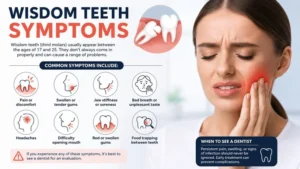
Wisdom tooth pain typically occurs when these third molars, located at the back of your mouth, start to emerge. They often don’t have enough space to grow in properly, leading to inflammation, pressure on surrounding teeth, or even infection. Other causes of pain include:
- Impaction: The tooth remains beneath the gum line, causing pressure.
- Infection: Bacteria can infect the area if the tooth is partially erupted.
- Misalignment: Wisdom teeth growing at an angle can cause pain and discomfort.
While the pain can range from mild irritation to intense discomfort, there are ways to manage it before seeking professional treatment.
How to Relieve Wisdom Tooth Pain Without a Dentist
There are several natural remedies and over the counter solutions that can offer temporary relief from wisdom tooth pain. Here’s a breakdown of the most effective methods.
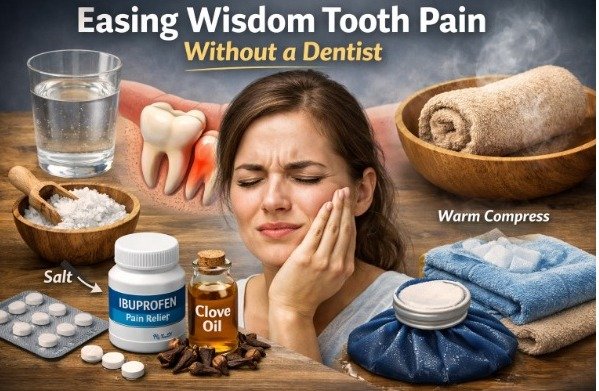
1. Saltwater Rinse: A Simple Solution
One of the easiest and most widely recommended home remedies is using saltwater to rinse your mouth. Salt acts as a natural disinfectant and can help reduce swelling and alleviate pain.
How to Use:
- Mix ½ teaspoon of salt in a glass of warm water.
- Swish the solution around your mouth for 30 seconds, focusing on the painful area.
- Repeat 2-3 times daily.
Why It Works:
Saltwater helps cleanse the area, reduce bacteria, and soothe the gums. It’s especially effective if your wisdom tooth has caused inflammation or irritation in the surrounding tissue.
2. Over the Counter Pain Relievers
Ibuprofen (Advil) or acetaminophen (Tylenol) can be effective in managing the pain and reducing inflammation temporarily. These medications are available over-the-counter and can be a good solution for moderate discomfort.
Pros:
- Fast-acting for quick relief.
- Helps reduce swelling and inflammation.
Cons:
- Temporary relief only.
- Not a long-term solution.
When to Use:
Take as directed for pain relief. However, avoid using them for extended periods without consulting a doctor, especially if you have pre-existing medical conditions.
3. Clove Oil: Nature’s Painkiller
Clove oil is a natural remedy used for tooth pain relief. It contains eugenol, a compound with anesthetic and anti-inflammatory properties that can numb the pain.
How to Use:
- Apply a few drops of clove oil to a cotton ball.
- Gently press the cotton ball to the painful area for 10-15 minutes.
- You can also mix a drop or two of clove oil with coconut oil for a less concentrated solution.
Why It Works:
Clove oil has been used for centuries as a numbing agent. It can provide quick, localized relief for wisdom tooth pain.
4. Cold Compress: Numb the Pain
A cold compress applied to the cheek near the affected area can help numb the pain and reduce swelling. It works by constricting blood vessels and reducing inflammation.
How to Use:
- Wrap ice or a cold pack in a thin cloth.
- Apply it to the side of your face near the painful tooth for 15-20 minutes.
- Repeat every couple of hours for maximum relief.
Why It Works:
Cold compresses reduce swelling and can numb the area, making it easier to manage pain until you can seek further treatment.
5. Warm Compress: Soothe the Area
After 24 48 hours of using a cold compress, you can switch to a warm compress to improve blood circulation to the area and help soothe any remaining discomfort.
How to Use:
- Soak a cloth in warm water and apply it to the painful area.
- Keep it there for 15-20 minutes.
- Repeat 2-3 times a day.
Why It Works:
The warm compress helps promote healing and can reduce any muscle tightness around the jaw.
When to See a Dentist for Wisdom Tooth Pain
While home remedies can provide temporary relief, there are instances when it’s necessary to seek professional help. Here are some signs that indicate you should consult a dentist:
- Severe pain that doesn’t improve after several days.
- Swelling or signs of infection, like pus or fever.
- Difficulty opening your mouth or swallowing.
- Constant throbbing or persistent discomfort.
If the pain lasts more than 2-3 days, worsens, or is accompanied by any of these symptoms, it’s important to see a dentist as soon as possible to avoid complications like infection or tooth damage.
Can Saltwater Help with Wisdom Tooth Pain?
Yes! Saltwater is one of the best remedies to help ease wisdom tooth pain. It reduces inflammation, promotes healing, and cleanses the affected area. It’s a safe and inexpensive option for short-term relief.
Does Clove Oil Work for Wisdom Tooth Pain?
Clove oil can be very effective for numbing pain due to its natural anesthetic properties. It’s a widely used remedy that works by directly numbing the affected area.
How Long Does Wisdom Tooth Pain Last Before Seeing a Dentist?
Wisdom tooth pain can last anywhere from a few days to a few weeks, depending on the cause. If the pain is severe, persistent, or accompanied by swelling or fever, seeing a dentist within 48 hours is highly recommended.
Home Remedies vs. Professional Care: When Should You Choose Which?
In some cases, home remedies like saltwater rinses, clove oil, and over-the-counter pain relief can be enough to manage discomfort for a short time. However, if you experience:
- Continuous or worsening pain
- Difficulty eating or drinking
- Swelling or pus
- Fever or signs of infection
it’s time to consult a dentist. They can help determine if your wisdom tooth needs to be extracted or if you require other professional treatments.
FAQs
- How can I stop my wisdom tooth from hurting without going to the dentist?
Use saltwater rinses, apply cold compresses, or try clove oil for temporary relief. Over-the-counter painkillers like ibuprofen or acetaminophen can also help. - What is the fastest way to relieve wisdom tooth pain at home?
A cold compress can numb the pain quickly, while clove oil can provide more localized relief. - Can salt water help with wisdom tooth pain?
Yes, saltwater can help reduce inflammation and clean the affected area, providing temporary relief from pain. - When should I see a dentist for wisdom tooth pain?
If the pain is severe, persistent, or accompanied by swelling, pus, or fever, you should see a dentist immediately. - Does clove oil really work for wisdom tooth pain?
Yes, clove oil is a natural pain reliever that contains eugenol, which has numbing properties. - What is the best painkiller for wisdom tooth pain?
Ibuprofen or acetaminophen are effective painkillers for managing wisdom tooth pain. Always follow the dosage instructions. - How long does wisdom tooth pain last?
The pain can last a few days to a week. If it persists longer or worsens, consult a dentist.
Conclusion
While wisdom tooth pain can be uncomfortable, there are several home remedies you can try to ease the discomfort temporarily. Saltwater rinses, cold and warm compresses, over the counter pain relievers, and natural remedies like clove oil can all provide relief. However, if the pain persists or worsens, it’s important to seek professional dental care to prevent further complications.
If you’re unsure whether to manage the pain at home or see a dentist, consider the severity of your symptoms. When in doubt, a quick consultation with a dental professional can save you from prolonged discomfort and more serious issues.
.

Raheel is the founder of WisdomToothPain. info, a specialized platform dedicated to demystifying dental health. As a dedicated digital researcher, Raheel focuses on providing clear, accurate, and evidence-based information to help individuals navigate the complexities of wisdom tooth pain with confidence. This content is for informational purposes only and isn’t a substitute for professional dental advice. Always consult a licensed dentist for diagnosis and treatment.