

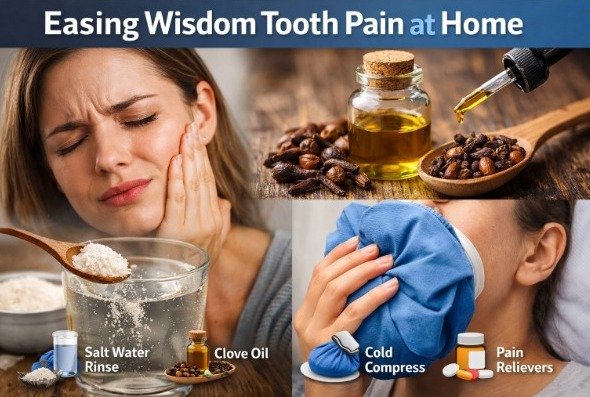
Introduction:
Wisdom tooth pain can be intense and disrupt your daily life, making it difficult to focus on anything else. While visiting a dentist is the best course of action for severe cases, many people seek to alleviate the discomfort at home. Whether it’s due to cost, convenience, or simply a desire to avoid the dentist, there are effective remedies that can ease the pain of wisdom tooth eruption or infection without a trip to the dental office.
In this article, we’ll explore various methods to manage wisdom tooth pain at home, explain when it’s safe to avoid a dentist, and offer tips on when to seek professional help. By following these simple, natural approaches, you can take control of your pain until you’re ready for a more permanent solution.
What Causes Wisdom Tooth Pain?
Before diving into remedies, it’s important to understand what’s causing your pain. Wisdom teeth, or third molars, typically emerge in the late teens or early twenties. For many, these teeth don’t have enough space to come through properly, leading to pain and swelling. There are several potential causes for wisdom tooth pain:
1. Impaction
When there’s not enough space in your mouth for your wisdom teeth to erupt, they can become impacted. This means they’re either partially or fully trapped under the gum, causing pain, swelling, and sometimes an infection.
2. Infection
Partially erupted wisdom teeth can lead to infection, as bacteria can get trapped in the gum tissue around the tooth. This can cause swelling, bad breath, and severe discomfort.
3. Gum Inflammation
As wisdom teeth push through, they can irritate the surrounding gums, causing them to swell and become painful.
4. Cavities and Tooth Decay
Because wisdom teeth are located at the back of the mouth, they’re harder to clean properly. This can lead to tooth decay or cavities, which cause pain.
How to Relieve Wisdom Tooth Pain at Home
If your wisdom tooth pain is manageable, there are several at-home remedies you can try to ease your discomfort.
1. Saltwater Rinse
One of the simplest and most effective ways to reduce pain and inflammation is by rinsing with warm saltwater. Salt acts as a natural disinfectant, helping to reduce swelling and cleanse the affected area.
How to Do It:
- Dissolve 1/2 teaspoon of salt in a cup of warm water.
- Swish the solution around your mouth for 30 seconds.
- Spit it out and repeat several times a day.
2. Cold Compress
A cold compress can help numb the pain and reduce swelling. It’s an easy, non-invasive solution to manage discomfort before you can visit a dentist.
How to Do It:
- Wrap a few ice cubes in a cloth or use a cold pack.
- Apply it to the outside of your cheek where the wisdom tooth is located.
- Hold for 15-20 minutes at a time, repeating every few hours.
3. Over the Counter Pain Relief
If the pain is more severe, over-the-counter pain relievers like ibuprofen (Advil) or acetaminophen (Tylenol) can help manage the discomfort.
How to Use It:
Follow the recommended dosage instructions on the packaging. Never exceed the recommended dosage.
4. Clove Oil
Clove oil has been used for centuries as a natural remedy for tooth pain. It contains eugenol, a natural anesthetic that numbs the affected area and reduces inflammation.
How to Do It:
- Soak a cotton ball in clove oil.
- Gently apply the cotton ball to the painful gum area.
- Leave it in place for a few minutes, allowing the numbing effect to work.
5. Warm Compress
If swelling is a problem, applying a warm compress can help increase blood circulation to the affected area and reduce pain.
How to Do It:
- Soak a clean cloth in warm water.
- Place it on your cheek over the sore wisdom tooth.
- Keep it on for about 15-20 minutes.
6. Avoid Hard or Chewy Foods
While you’re managing wisdom tooth pain at home, it’s best to stick to soft foods that don’t require a lot of chewing. Opt for mashed potatoes, yogurt, smoothies, and soups. Avoid foods that can irritate the area, like crunchy or very hot foods.
When Should You See a Dentist?
While home remedies can provide temporary relief, there are certain situations where a dentist visit is necessary. If you experience any of the following, it’s time to see a dental professional:
1. Severe or Worsening Pain
If the pain persists for more than a few days or worsens, you may need professional intervention.
2. Swelling and Infection
If you notice significant swelling, pus, or fever, it could be a sign of infection, and you should see a dentist as soon as possible.
3. Difficulty Swallowing or Breathing
These are more serious symptoms that may indicate a serious issue, such as an abscess or infection that has spread.
4. Damage to Adjacent Teeth
If your wisdom tooth is damaging or pressing against adjacent teeth, a dentist may need to perform an extraction or other procedure.
Local Wisdom Tooth Pain Relief Providers

If your pain continues or you prefer professional care, it’s important to find a dental provider near you. Many dental offices offer emergency services or can provide pain relief treatments such as antibiotics for infection or wisdom tooth extraction.
- Search for emergency dentist near me to find a local clinic.
- In cities like [Wisdom tooth pain can], dental offices offer walk-in consultations for urgent cases.
Conclusion:
Wisdom tooth pain can be a nuisance, but with the right home remedies, you can ease the discomfort temporarily. Saltwater rinses, cold compresses, and over-the-counter pain relievers can all provide relief. If your symptoms don’t improve or if you experience more serious signs of infection or impaction, it’s important to seek professional dental care.
Remember, while home treatments can manage pain in the short term, visiting a dentist is the best way to address underlying issues and prevent future problems.
FAQs
- What’s the best way to relieve wisdom tooth pain at home?
Saltwater rinses, clove oil, and cold compresses are the best ways to ease wisdom tooth pain at home. - Can saltwater rinse help wisdom tooth pain?
Yes, saltwater rinse can reduce inflammation and act as a natural disinfectant, offering relief from pain and swelling. - How can I reduce wisdom tooth pain without seeing a dentist?
Using home remedies like clove oil, warm compresses, and over-the-counter pain relievers can reduce wisdom tooth pain without a dentist. - How long does wisdom tooth pain last?
The duration varies, but if the pain persists for more than a few days, you should consult a dentist. - Is it safe to leave a wisdom tooth in pain without a dentist?
If the pain is mild and manageable, it’s okay to use home remedies. However, if you notice swelling or infection, it’s important to seek professional care. - What should I do if my wisdom tooth pain worsens?
If the pain worsens, or if you develop swelling, pus, or fever, you should consult a dentist immediately. - Can over-the-counter medications help with wisdom tooth pain?
Yes, medications like ibuprofen and acetaminophen can help reduce pain and inflammation associated with wisdom tooth discomfort.

Raheel Bhatti is the founder of WisdomToothpain.info, a specialized platform dedicated to demystifying dental health. As a dedicated digital researcher, Raheel focuses on providing clear, accurate, and evidence-based information to help individuals navigate the complexities of wisdom tooth pain with confidence.