Wisdom tooth pain affecting your gums is one of those problems that sneaks up on you then refuses to leave. Unlike a cavity that gives you fair warning, wisdom tooth issues can develop quietly for months. Then suddenly, you’re dealing with swelling, infection, and a trip to the dentist that costs way more than you expected.
Here’s the truth nobody talks about: wisdom tooth problems aren’t always about extraction. Sometimes it’s manageable. Sometimes it’s not. Wisdom Teeth Are The real key is understanding what’s actually happening in your mouth and knowing when to act.
This guide breaks down everything about wisdom tooth pain, gum issues, and the solutions that genuinely work.
What’s Really Happening When Your Wisdom Teeth Hurt Your Gums
Your wisdom teeth those third molars that show up in your late teens or twenties can trigger serious gum problems. But why?
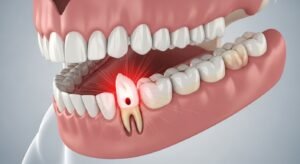
Partial eruption is the main culprit. Your jaw might not have enough space for these teeth. So they come in crooked, sideways, or only halfway through the gum line. Wisdom Teeth Are That creates a perfect pocket for bacteria. Food gets trapped. Your immune system tries to fight back. Your gums swell. Pain follows.
It’s not complicated physics. It’s just anatomy working against you.
The Impaction Problem
When wisdom teeth stay partly embedded in your jaw, that’s impaction. It’s messier than it sounds.
An impacted tooth can’t surface properly. Wisdom Teeth Are The gum tissue above it remains irritated, infected. You get what dentists call pericoronitis basically inflammation around the crown of the tooth. The area becomes a breeding ground for bacteria. Your body sends white blood cells to fight. Swelling increases. The pain gets worse.
Some people experience sharp, stabbing pain. Others describe it as a constant, dull ache. A few unlock the special combo: both at the same time.
Partial impaction is actually trickier than complete impaction. Wisdom Teeth Are With complete impaction, the tooth stays buried. With partial? Part of the crown shows up, part doesn’t. That gap between tooth and gum? Perfect pocket for infection. Cleaning it is nearly impossible with a regular toothbrush.
Why Your Gums Swell
Swollen gums around wisdom teeth result from your body’s natural defense system working overtime.
Your immune system detects the bacteria. It floods the area with blood cells, antibodies, and fluid. Swelling happens. This is actually your body trying to help except it makes everything worse because now eating hurts more, brushing is impossible, and trapped food just makes the bacteria party harder.
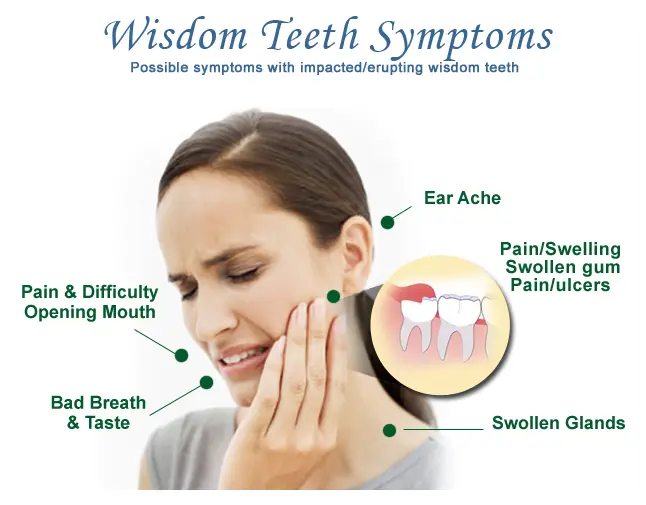
The swelling can spread. Sometimes it affects your entire jaw. Your face looks puffy. Wisdom Teeth Are You might struggle to open your mouth wide. This isn’t just annoying it’s genuinely uncomfortable.
The Actual Causes of Wisdom Tooth Gum Pain
Not every person with wisdom teeth gets problems. Not everyone needs extraction. Wisdom Teeth Are Understanding your specific situation matters.
Crowding and Misalignment
Your mouth is only so big. Evolutionary speaking, humans need fewer teeth now than our ancestors did. Yet most of us still grow all 32.
Wisdom teeth often arrive to find zero real estate available. They tilt. They twist. They try growing at weird angles. This misalignment creates those dangerous pockets between tooth and gum. Bacteria move in. Inflammation starts. Pain develops.
If your other teeth are already crowded, wisdom teeth make it worse. Wisdom Teeth Are You might notice your bite changes slightly. This subtle shift can cause gum recession where your gum tissue pulls away from the tooth surface.
Poor Oral Hygiene Around Back Molars
Let’s be honest. Reaching your back molars with a toothbrush is genuinely difficult.
You’re contorting your arm. Your hand is cramped. You can’t see what you’re doing. It’s easy to miss the area completely. Floss back there? Even harder.
When you skip cleaning around wisdom teeth even accidentally plaque builds up. Tartar hardens. Your gums get inflamed. The cycle deepens.
This alone doesn’t always cause severe pain. But combined with partial eruption or crowding? It accelerates problems significantly.
Gum Disease and Infection
If bacteria colonize that space between your wisdom tooth and gum tissue, infection happens.
Early signs: slightly red gums, mild swelling, maybe some bleeding when you brush. You might ignore it. That’s a mistake.
Untreated infection spreads. Pus forms. The bone supporting the tooth can get damaged. Now you’re looking at actual gum disease, which affects not just that one tooth but your entire mouth.
Some people develop an abscess a concentrated pocket of pus under the gum. This is genuinely dangerous. It needs professional treatment immediately.
Red Flags: When You Need to See a Dentist
Not all wisdom tooth gum pain requires emergency intervention. Some does.
Get An Appointment This Week
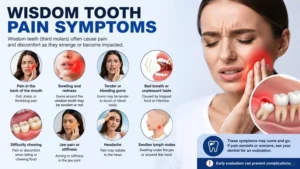
- Moderate to severe pain lasting more than a few days
- Swelling that’s noticeably worse
- Difficulty opening your mouth
- Trouble swallowing
- Bad breath or foul taste
- Bleeding or pus coming from the area
See A Dentist ASAP (Like, Today)
- Swelling in your jaw, neck, or under your chin
- Fever accompanying dental pain
- Difficulty breathing or extreme swelling around the mouth
- Severe pain that over-the-counter medication won’t touch
- Pus drainage or signs of serious infection
Jaw swelling combined with fever usually means the infection has spread beyond just the gum tissue. Wisdom Teeth Are Your body’s fighting a legitimate infection now. This needs professional antibiotics and possibly drainage.
What You Can Actually Do Right Now
Before your dentist appointment, some tactics actually reduce pain and swelling.
Ice and Heat
Ice numbs the area. Apply it for 15 minutes, take a 15-minute break, repeat. This works surprisingly well for the first 24-48 hours of acute pain.
After 48 hours, switch to heat. A warm compress or heating pad relaxes the muscles, improves blood flow, and eases pain differently than ice does.
Pro tip: Don’t alternate rapidly. Pick one strategy, commit to it for several hours, then switch if needed.
Salt Water Rinses
Incredibly simple. Genuinely effective.
Mix half a teaspoon of salt in warm water. Rinse gently for 30 seconds, several times daily. This reduces bacterial load, decreases inflammation, and tastes way better than you’d expect.
Do this after meals especially. Food debris gets cleared. Salt water’s mild antiseptic properties go to work.
Over-The-Counter Pain Relief
Ibuprofen works better than acetaminophen for dental inflammation because it actually targets the inflammation itself, not just pain signals.
Dosage matters: 400-600mg every 4-6 hours (don’t exceed 2400mg daily without talking to your doctor). Ibuprofen reduces swelling and pain simultaneously.
Naproxen (Aleve) lasts longer up to 8-12 hours per dose but takes longer to kick in. Some people prefer this for overnight relief.
Topical Numbing Agents
Benzocaine gels provide temporary numbness. They taste terrible. They work for maybe 20 30 minutes. Not a long-term solution, but helpful when eating hurts too much or bedtime pain is ridiculous.
Avoid These Things Completely
- Hard, crunchy foods (chips, nuts, hard candy)
- Extremely hot foods and drinks
- Alcohol and mouthwash with alcohol (it stings and dries tissue)
- Aggressive brushing near the affected area
- Smoking (seriously slows healing)
Stick with soft foods. Yogurt, applesauce, mashed potatoes, smoothies, scrambled eggs. Nobody’s winning awards for gourmet eating during wisdom tooth trouble anyway.
When Extraction Becomes The Answer
Not every wisdom tooth needs removal. Many people live their entire lives with healthy wisdom teeth that never cause problems.
But extraction makes sense when:
The tooth is severely impacted and keeps getting infected. Repeated infections mean repeated antibiotics and repeated pain. Why not just remove it?
Chronic gum disease develops around the tooth and won’t clear up with good hygiene. The tooth creates a constant liability for infection spreading to other teeth.
Significant crowding occurs because wisdom teeth push your other teeth out of alignment. Especially if you’ve had braces you don’t want to lose that investment.
The tooth keeps getting cavities because cleaning is impossible. If decay keeps happening, extraction prevents future problems.
Severe bone loss has already occurred around the tooth from chronic gum disease.
Here’s what extraction actually involves: local anesthesia, the dentist loosens the tooth with careful leverage, removes it, cleans the socket, and stitches it if needed. Most simple extractions take 20-40 minutes.
Recovery takes about 1-2 weeks. Swelling peaks around day 2-3, then gradually improves. You’ll want soft foods and rest for those first few days.
Costs vary wildly. Simple extraction? Maybe $100-300. Surgical extraction of an impacted tooth? $500-2000, especially if insurance doesn’t cover it fully.
Prevention: Stop Problems Before They Start
Not everything is preventable. Genetics determines your jaw size and tooth size—that’s locked in.
But you can reduce your risk significantly.
Oral Hygiene Matters More Than You Think
This is where prevention actually happens.
Brush twice daily with a soft-bristled brush. Floss at least once daily reaching those back areas between wisdom teeth and adjacent molars. Use a water flosser if regular floss feels impossible. Honestly? A water flosser might be better than no floss.
Electric toothbrushes can reach back teeth better than manual brushes. No shame in using one.
Antimicrobial mouthwash (without alcohol, so it doesn’t dry things out) adds another layer of bacteria control.
Regular Dental Checkups
Get your teeth cleaned every 6 months. Your dentist can spot wisdom tooth problems early before they become painful emergencies.
Early detection changes everything. A mildly impacted tooth caught at the beginning? Way easier to manage than one that’s infected and swollen for months.
Watch For Early Signs
Once your wisdom teeth start erupting, pay attention. Slight swelling, mild tenderness, odd taste in your mouth these aren’t nothing. They’re your mouth saying something’s developing.
Don’t wait for serious pain before doing anything.
The Truth About Home Remedies
People suggest wild things for wisdom tooth pain. Some actually help. Most don’t.
Clove oil: Real research shows eugenol (clove oil’s active compound) has mild numbing properties. Does it work? For maybe 10 minutes, sure. Don’t expect miracles.
Turmeric paste: Anti-inflammatory compounds might reduce swelling marginally. Is it better than salt water rinses? Not really.
Garlic: Garlic has antimicrobial properties. But the amount of raw garlic juice you’d need to reach your wisdom teeth and create real change? You’d just have garlic breath and an upset stomach.
Hydrogen peroxide rinses: Slightly more effective than salt water at reducing bacteria load. But genuinely can damage your oral tissues if used constantly. Stick with saltwater.
The honest answer: salt water rinses, ice, over-the-counter pain relief, and soft foods work best. They’re boring because they’re proven.
When Should You Extract Multiple Wisdom Teeth?
Some dentists push for extracting all four wisdom teeth at once. Some prefer removing them one at a time.
Extracting all four simultaneously means one recovery period. You’re dealing with swelling, limited eating, and discomfort once. After that, you’re good.
Extracting them separately means multiple recovery periods spread over months. But each recovery is easier one socket heals faster than four.
Most oral surgeons recommend doing all four together if they all need removal. Recovery is harder initially, but it’s efficient. You take time off work once instead of four times.
If only one or two need removal? That’s a different story. Get the problematic ones out, keep the healthy ones.
Living With Your Wisdom Teeth: It’s Actually Possible
Here’s something dentists don’t always emphasize: you can keep healthy wisdom teeth forever.
Millions of people have all four wisdom teeth and zero problems. The difference? Good brushing and flossing habits, especially in those back areas.
If your wisdom teeth came in straight, aligned properly with your bite, and you can clean them effectively—keeping them might be smart. They’re functional. Why extract them?
The decision should be based on your specific situation, not what some dentist’s extraction quota needs.
Final Thoughts on Wisdom Tooth Pain and Your Gums
Wisdom tooth pain involving your gums sucks. There’s no polite way to say it.
Sometimes it’s temporary inflammation that resolves with good cleaning and patience. Sometimes it’s a serious infection that needs professional intervention immediately. Most often, it’s somewhere in between.
Pay attention to what your mouth is telling you. Early action whether that’s improved brushing, a professional cleaning, or professional extraction prevents months of unnecessary pain.
Salt water rinses work. Ice works. Pain relief works. Professional help works best.
Get it checked out. Don’t ignore it. You’re not being dramatic for wanting dental pain to stop.

Raheel is the founder of WisdomToothPain. info, a specialized platform dedicated to demystifying dental health. As a dedicated digital researcher, Raheel focuses on providing clear, accurate, and evidence-based information to help individuals navigate the complexities of wisdom tooth pain with confidence. This content is for informational purposes only and isn’t a substitute for professional dental advice. Always consult a licensed dentist for diagnosis and treatment.