
Wisdom tooth pain can be a dull ache at the back of your jaw or a throbbing pain that spreads to your ear, temple, or neck and keeps you awake. The good news is that you can usually take the edge off within hours using a few safe steps at home.
The most reliable way to help wisdom tooth pain is to combine four things: an over-the-counter anti-inflammatory such as ibuprofen if it’s safe for you, a cold compress on your cheek, warm salt water rinses, and gentle cleaning around the sore gum. Together, these calm inflammation and clear out the food and bacteria that often make things worse.
The catch is that home care manages symptoms but rarely fixes the cause. If the pain keeps coming back, the tooth is probably impacted, only partly erupted, or infected, and a dentist needs to examine it. This guide covers what works, what to skip, and how to tell a flare-up you can manage from one that can’t wait.
How to Help Wisdom Tooth Pain Fast: A Step-by-Step Plan
If you’re hurting right now, work through these steps in order:
- Take a suitable over-the-counter pain reliever. For most healthy adults, an NSAID such as ibuprofen is a good first choice because it eases both pain and swelling. Follow the label exactly. If you can’t take NSAIDs, acetaminophen (paracetamol) is the usual alternative.
- Apply a cold compress. Wrap an ice pack in a thin towel and hold it against your cheek over the sore area for 15 to 20 minutes, then rest for about the same length of time.
- Rinse with warm salt water. Stir ½ teaspoon of salt into 8 ounces (about one cup) of warm water, swish gently for 30 seconds, and spit. Repeat after meals and before bed.
- Clean around the area gently. Use a soft toothbrush and clear trapped food so bacteria don’t keep irritating the gum.
- Use a numbing gel for short-term relief. A small amount of benzocaine gel on the gum can dull surface pain for a while.
- Choose soft foods and prop your head up at night. This reduces chewing pressure and can calm nighttime throbbing.
- Book a dental visit if the pain lasts more than two or three days, keeps returning, or comes with any warning signs listed below.
These steps give real wisdom tooth pain relief, but it’s temporary. They calm the symptoms without changing the position of the tooth or removing the source of irritation.
Why Wisdom Teeth Hurt

Wisdom teeth, also called third molars, are the last adult teeth to arrive, usually between the late teens and early twenties. By then the jaw is often crowded, which is why these teeth cause more trouble than any others. The American Dental Association’s Mouth Healthy site has a good overview of how they develop.
Erupting teeth pressing on gum and bone
As a wisdom tooth pushes upward, the gum can feel tender and the surrounding jaw sore, a bit like teething. This pain tends to come in waves and often settles within days.
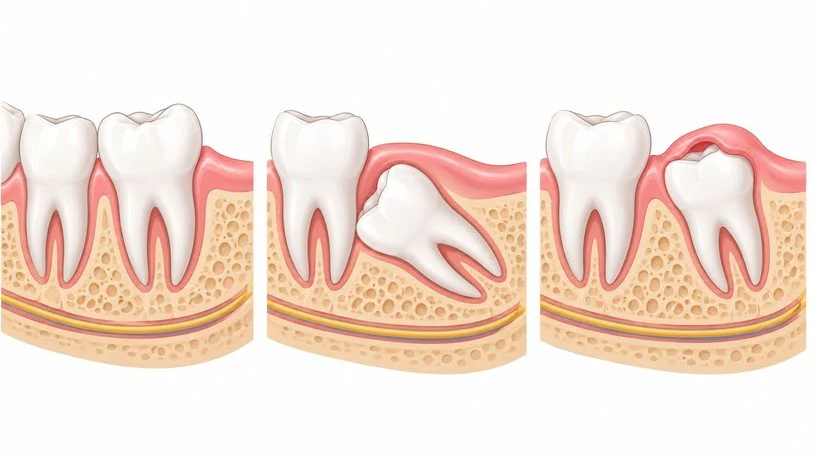
Impacted wisdom teeth
When there isn’t enough room, a wisdom tooth may stay trapped under the gum or bone, tilt toward the neighboring molar, or break through only partway. Impacted teeth can press on the tooth in front of them, causing a steady ache, and they make the area hard to clean.
Pericoronitis (an inflamed gum flap)
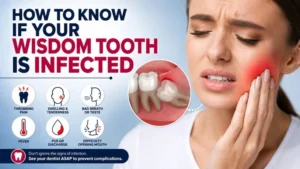
A partly erupted tooth often has a flap of gum over it. Food and bacteria collect underneath, where a toothbrush can’t reach. The gum turns red, swollen, and tender, and you may notice a bad taste, bad breath, pain when biting, or difficulty opening wide a limited jaw opening known as trismus. This is one of the most common causes of sudden wisdom tooth pain, and it tends to recur until the flap or the tooth is dealt with.
Decay and gum problems at the back of the mouth
Wisdom teeth and the second molars in front of them are the hardest teeth to clean. A cavity in either tooth, or inflamed gum between them, can feel just like wisdom tooth pain.
Less common causes
Fluid-filled cysts can form around impacted teeth. Jaw clenching and jaw joint problems can create similar soreness, and sinus pressure can cause an ache in the upper back teeth. Because so many things feel alike, an X-ray is the only reliable way to know what’s going on.
Normal Discomfort or a Problem? How to Tell
| What you notice | Often manageable at home | See a dentist soon |
| Pain pattern | Comes and goes, eases with rinses and pain relievers | Constant, throbbing, or waking you at night despite medication |
| Gum and cheek | Mild tenderness | Visible swelling that is growing |
| Taste and smell | Normal | Bad taste, pus, or persistent odor |
| Jaw movement | Slightly sore | Trouble opening your mouth fully |
| Timeline | A few days and improving | More than two or three days with no improvement, or repeat episodes |
| General health | You feel well | Fever, swollen glands, or feeling unwell |
Home Remedies That Help Wisdom Tooth Pain
Cold compress
Cold narrows blood vessels, which limits swelling and dulls nerve signals. It works best during the first day or two of a flare. Always keep a cloth between the ice and your skin, and don’t hold it in place longer than 20 minutes at a time.
Warm salt water rinse
Salt water won’t cure anything, but it flushes debris from around the tooth and soothes irritated gum tissue. A stronger mix isn’t more effective and can irritate the tissue further, so stay with the ½ teaspoon per cup from the plan above. Let the liquid flow around the sore area without forcing it under the gum, and don’t swallow it.
Over-the-counter wisdom tooth pain medication
Dental guidelines list NSAIDs, with or without acetaminophen, as first-line options for short-term dental pain in adults and adolescents, ahead of opioids. The ADA’s summary of its guideline explains the reasoning.
| Option | How it helps | What to watch for |
| Ibuprofen | Reduces pain and inflammation | Take with food. Ask a pharmacist first if you have stomach ulcers, kidney disease, heart conditions, NSAID-triggered asthma, or take blood thinners. |
| Naproxen | Similar to ibuprofen, but lasts longer | Same cautions as ibuprofen |
| Acetaminophen (paracetamol) | Eases pain but doesn’t reduce swelling | Going over the daily limit can harm the liver. Check other cold or flu products for hidden acetaminophen. |
| Ibuprofen and acetaminophen together | Can work better than either alone | Only within the limits on each label |
Never take two products that contain the same active ingredient, and don’t mix pain medication with alcohol. If you’re unsure what’s safe with your health conditions or other medicines, a pharmacist can answer in a couple of minutes.
Numbing gels
Benzocaine gel numbs the surface of the gum for a short time. Apply a pea-sized amount with a clean cotton swab, following the label. Don’t use it in children under 2. Overuse of benzocaine products has been linked to a rare but serious blood condition, so stay within label directions.
Gentle cleaning around the tooth
It’s tempting to avoid a sore area, but plaque makes inflammation worse. Brush the area gently with a soft brush and clean between teeth with floss or an interdental brush where you can reach. A water flosser on a low setting can help. If a gum flap is trapping food, your dentist may show you how to flush underneath it with a soft-tip syringe and warm salt water. Never dig at the gum with pins, toothpicks, or other sharp objects.
What to eat and drink
- Good choices: yogurt, scrambled eggs, oatmeal, mashed potatoes, applesauce, smoothies without seeds, soups that have cooled to lukewarm
- Avoid: seeds, nuts, popcorn, chips, and sticky sweets (small pieces lodge under the gum), very hot or spicy foods, and alcohol
- Also avoid: smoking and vaping, which irritate the gums and slow healing
Chew on the opposite side and keep drinking water throughout the day.
Wisdom tooth pain at night
Pain often feels worse when you lie down. A few adjustments can help:
- Prop your head up with an extra pillow, which may reduce throbbing.
- Rinse with warm salt water before bed.
- Use a cold compress for 10 to 15 minutes while you settle.
- Take your pain reliever within label limits so it’s working when you go to sleep.
- If you clench or grind your teeth, ask your dentist about a nightguard to reduce pressure on the sore area.
A warm compress, later on
After the first day or two, once swelling has stopped increasing, a warm cloth held against the outside of your cheek can relax tight jaw muscles. If heat makes the swelling or pain worse, switch back to cold. If you have signs of infection such as fever, pus, or spreading swelling, skip the heat and get dental care.
Natural Wisdom Tooth Pain Home Remedies: What to Try and What to Skip
Natural remedies are popular, but the evidence behind most of them is thin compared with the medication and cold therapy above. Treat them as comfort measures, not treatments.
| Remedy | How people use it | Reality check |
| Clove oil | A drop or two diluted in a carrier oil, dabbed on the gum with a cotton swab | Clove contains eugenol, which has a numbing effect used in dentistry. Undiluted oil can burn the gum and tongue. Use a tiny amount, occasionally, never swallow it, and stop if it irritates. Avoid in children. |
| Cooled plain tea bag | Chilled in the fridge, held against the gum | Cold does most of the work. Low risk. Plain tea only, with no milk or sugar. |
| Peppermint tea bag | Cooled and held against the area | Mildly soothing and low risk. Don’t apply concentrated peppermint oil directly to the gum. |
| Turmeric paste | Rubbed on the gum | Turmeric has an anti-inflammatory reputation, but there is little proof it helps wisdom tooth pain. Pastes made with baking soda or toothpaste can irritate the gum and stain. |
| Vanilla extract | Dabbed on with cotton | Real extract contains alcohol and may sting. No reliable evidence of pain relief. |
| Chewing raw onion | Chewed on the sore side | Chewing on a sore area can make it worse, and results aren’t dependable. |
| Essential oil rinses (tea tree, thyme, lemon and similar) | A few drops swished in water | Essential oils can irritate mouth tissue, and tea tree oil is harmful if swallowed. Best skipped. |
Mistakes That Make Wisdom Tooth Pain Worse
- Placing aspirin on the gum. Aspirin is meant to be swallowed. Held against the gum, it can cause a chemical burn.
- Lancing or popping swollen tissue yourself. This can spread bacteria and cause bleeding.
- Stacking medications. Doubling up on products with the same ingredient is a common cause of accidental overdose.
- Skipping oral hygiene around the area. Trapped plaque keeps the inflammation going.
- Applying heat too early. In the first day or two of a flare, heat can increase swelling.
- Taking leftover antibiotics. They may not suit the infection, and misuse contributes to antibiotic resistance.
- Waiting out warning signs. Fever, spreading swelling, or trouble swallowing should never be handled with a wait-and-see approach.
Special Situations
Pregnancy. Talk to your obstetrician, midwife, or dentist before taking any pain reliever. The FDA recommends avoiding NSAIDs, including ibuprofen, naproxen, and aspirin, at 20 weeks of pregnancy or later. When medication is needed, obstetric guidance generally points to acetaminophen at the lowest effective dose for the shortest time, but the choice is best made with your care provider. Salt water rinses and cold compresses are safe.
Teens and people with braces. Braces make it easier for food to pack around erupting wisdom teeth. Daily interdental cleaning and a water flosser help. Aspirin isn’t recommended for children and teenagers.
Ongoing health conditions. If you take blood thinners or have kidney, liver, heart, or stomach problems, ask a pharmacist or physician which pain reliever is safe before you start.
When Wisdom Tooth Pain Needs a Dentist
Book an appointment within a few days if:
- Pain lasts more than two or three days or keeps returning
- The gum flap is swollen or you have a bad taste or smell
- Biting hurts, or you can’t open your mouth as wide as usual
- You suspect a cavity next to the wisdom tooth
Seek same-day dental care if:
- You have a fever
- Swelling in your cheek, jaw, or gum is getting larger
- You see pus
- Your glands are swollen or swallowing hurts
- Pain isn’t controlled by over-the-counter medication
Go to an emergency room if:
- You have trouble breathing or swallowing
- Swelling spreads to your neck, under your tongue, or near your eye
- You have significant facial swelling together with a fever
A dental infection that spreads can become serious, so don’t wait on these last signs.
What a Dentist Can Do About Wisdom Tooth Pain
- Examination and X-rays. These show the position of the tooth, whether it’s impacted, and whether decay or a cyst is involved.
- Professional cleaning under the gum flap. Removing trapped debris and irrigating the area often brings quick relief.
- Antiseptic rinses. A prescription rinse such as chlorhexidine may be used short term.
- Antibiotics, only when needed. They’re reserved for spreading infection or signs you’re unwell.
- Operculectomy. In selected cases where a tooth is erupting well, removing the gum flap stops food from getting trapped.
- Extraction. Removal is usually recommended for impaction, repeated infections, decay, or damage to the neighboring tooth.
- Monitoring. A wisdom tooth that is healthy and symptom-free doesn’t always need to come out.
If cost is what’s holding you back, ask the clinic about payment plans, or look into community or dental school clinics in your area. Putting treatment off can let infections recur or worsen.
Pain After Wisdom Tooth Removal
Soreness, swelling, and a stiff jaw are normal after extraction. They usually peak in the first two or three days and then steadily improve over about a week. To protect the blood clot in the socket:
- Avoid straws, spitting, smoking, and vigorous rinsing early on
- Stick to soft foods and clean gently as your surgeon instructs
- Follow the pain-relief plan you were given
Watch for dry socket. If pain gets worse instead of better around two to four days after surgery, especially with a bad taste, bad breath, or pain spreading to the ear, call your dental office. The clot may have been lost, and the socket can be treated.
How to Prevent Wisdom Tooth Pain Flare-Ups
- Keep regular dental exams so your dentist can track wisdom teeth, with X-rays when recommended
- Brush twice daily and clean between the back teeth every day
- Treat cavities early, especially in the back molars
- Ask your dentist early whether monitoring or removal makes more sense for you
- Avoid smoking and vaping
- Address clenching or grinding
Frequently Asked Questions
What is the fastest way to stop wisdom tooth pain?
There’s no instant fix, but the fastest combination is an appropriate pain reliever such as ibuprofen, a cold compress, and a warm salt water rinse. Numbing gel can add short-term surface relief. To stop the pain from returning, you need a dentist to deal with the cause.
How long does wisdom tooth pain last?
Pain from an erupting tooth can come and go for days or weeks. A pericoronitis flare often eases within days with good cleaning but tends to return. Pain from an impacted tooth usually continues until it’s treated. After an extraction, discomfort typically eases over several days, with most people feeling much better within about a week.
How can I stop wisdom tooth pain at night?
Elevate your head, rinse with salt water before bed, use a cold compress for 10 to 15 minutes, and take your pain reliever within label limits. If night pain keeps waking you, that’s a good reason to see a dentist soon.
Can wisdom tooth pain cause headaches or ear pain?
Yes. Nerves in the jaw and face share pathways with the ear and head, so pain can be felt in places away from the tooth. If a headache comes with fever or facial swelling, get medical or dental care promptly, since other conditions can look similar.
Will antibiotics fix wisdom tooth pain?
Not on their own. Antibiotics can help when there’s spreading infection, but they don’t remove trapped debris or fix an impacted tooth.
Can wisdom tooth pain go away on its own?
Sometimes. Discomfort from a tooth coming through can settle without treatment. Partially erupted or impacted teeth, though, often flare up repeatedly, and only an examination and X-ray can tell which situation you’re in.
Do all wisdom teeth need to be removed?
No. Decisions depend on the tooth’s position, your symptoms, and the risk of future problems. Your dentist will review your X-rays and talk through the options.

Raheel is the founder of WisdomToothPain. info, a specialized platform dedicated to demystifying dental health. As a dedicated digital researcher, Raheel focuses on providing clear, accurate, and evidence-based information to help individuals navigate the complexities of wisdom tooth pain with confidence. This content is for informational purposes only and isn’t a substitute for professional dental advice. Always consult a licensed dentist for diagnosis and treatment.


Pingback: Wisdom Tooth Pain: Causes, Signs & Fast Relief Tips - wisdomtoothpain.info
Pingback: Wisdom Teeth Pain Symptoms: Signs, Causes & Relief - wisdomtoothpain.info