
Introduction:
Wisdom teeth pain hits different. It’s not like a simple toothache where you know exactly what’s wrong. This is something else entirely. Maybe your jaw feels stiff one day. The next, a dull ache spreads from your back teeth toward your ear. Then suddenly, you’re searching for answers at 2 AM.
Teeth pain wisdom-related is incredibly common. In fact, most people experience some level of discomfort when their wisdom teeth decide to show up. But here’s the thing just because it’s common doesn’t mean you have to suffer through it.
I’ve researched this extensively, talked to dental professionals, and gathered real experiences from people dealing with the same problem. What I’ve found is that most people don’t actually understand what’s happening in their mouth, and that lack of knowledge makes the pain feel worse.
This guide breaks down everything you need to know about wisdom teeth pain. We’ll cover what’s happening, why it hurts, what actually works for relief, and when you absolutely need professional help. By the end, you’ll know more than most people ever will about this frustrating dental issue.
What’s Actually Happening When Your Wisdom Teeth Hurt
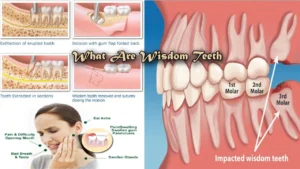
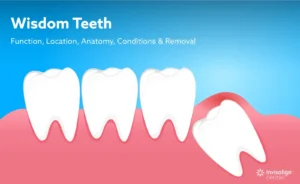
Let’s start with the basics. Your wisdom teeth are your third molars. They typically start erupting in your late teens or early twenties, though some people get them earlier or later. Some folks never get them at all.
When your wisdom teeth come in, several things can go wrong. Your jaw might not have enough space for them. They could grow at weird angles. Your gums might become inflamed as the tooth pushes through. Any of these scenarios creates pain.
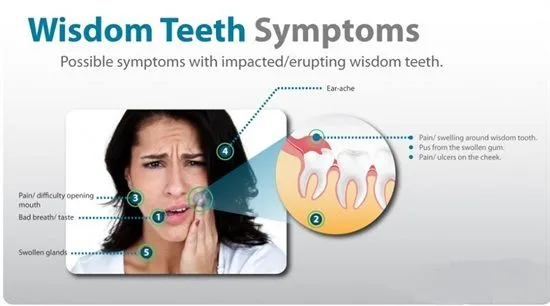
The anatomy matters here. Your wisdom teeth sit at the back of your mouth, close to your sinuses, ear canal, and various nerves. This positioning explains why wisdom teeth pain often radiates to other areas. You might feel pain near your ear or experience jaw tenderness. Sometimes it even triggers headaches.
Not all wisdom teeth pain is the same. Erupting wisdom teeth feel different from impacted ones. Growing pain feels different from infection pain. Understanding which type you’re dealing with changes how you should respond.
The timeline is important too. Wisdom teeth typically take anywhere from a few weeks to several months to fully erupt. During this entire period, you might experience intermittent discomfort. Some days are worse than others. This unpredictability frustrates people more than anything else.
Types of Wisdom Teeth Pain: Know What You’re Facing
Eruption Pain (The Most Common Kind)
This is the pain that happens as your wisdom teeth break through your gums. It’s uncomfortable but usually manageable. You’ll feel pressure, tenderness, and that characteristic ache in your back molars.
Eruption pain tends to come and go. It might be severe for a few hours, then fade completely for days. This pattern continues until the tooth fully emerges. Most people can handle eruption pain with over-the-counter solutions.
Impaction Pain (The Serious One)
Impacted wisdom teeth never fully erupt. They get stuck against your jawbone or neighboring teeth. This creates intense, constant pain that doesn’t improve with typical home remedies.
Impaction pain feels sharp and throbbing. It often radiates to your ear, temple, or the side of your face. This type demands professional attention. You shouldn’t wait it out hoping it improves.
Infection Related Pain (The Emergency)
Sometimes bacteria gets trapped under the gum tissue around your wisdom tooth. This causes an infection called pericoronitis. The pain is severe, and you’ll likely notice swelling, redness, and maybe even difficulty swallowing.
Infection pain gets worse, not better. It spreads quickly and can lead to serious complications if left untreated. Don’t try to manage this at home.
Post Extraction Pain (After You’ve Had Them Removed)
After wisdom tooth extraction, some pain is normal. Your mouth just went through trauma. However, there’s normal post-extraction discomfort (1-2 weeks) and dry socket pain (extreme, starts 3-4 days after extraction and keeps getting worse).
Why Wisdom Teeth Pain Radiates Everywhere
Here’s something that confuses most people: your wisdom teeth hurt, but the pain shows up somewhere completely different.
This happens because of how your nervous system works. Your mouth has complex nerve pathways. Pain signals from your wisdom teeth travel along the trigeminal nerve, which branches throughout your head and jaw. A problem at the back of your mouth can genuinely feel like ear pain, jaw pain, or even headaches.
This nerve connection explains several symptoms:
- Ear pain or earaches (the trigeminal nerve runs near your ear)
- Jaw stiffness or soreness (radiating pain affects neighboring muscles)
- Temple headaches (pain travels upward)
- Neck pain or stiffness (inflammation spreads to surrounding tissues)
- Sinus pressure (wisdom teeth sit close to your sinuses)
When you understand this, the confusing symptoms make sense. Wisdom teeth pain Your wisdom tooth isn’t causing ear infection. But the pain from your wisdom tooth absolutely can feel like ear pain.
How Long Does This Actually Last?
Everyone asks the same question: how long until this pain goes away?
For eruption pain, expect anywhere from a few days to several months. Wisdom teeth pain Most people experience the worst discomfort during the actual eruption period. Once the tooth breaks through the gum, pain typically decreases significantly.
The timeline varies wildly depending on:
- How much space you have in your jaw
- The angle of the erupting tooth
- How easily the tooth pushes through your gum tissue
- Your individual pain tolerance
- Whether infection develops
Some people experience mild discomfort for a few weeks. Wisdom teeth pain Others deal with pain on and off for months. A few lucky people breeze through wisdom tooth eruption with minimal issues.
Post-extraction pain follows a more predictable timeline. Expect significant discomfort for 3-7 days. After that, pain should gradually decrease. By two weeks, most people feel nearly normal. Complete healing takes several months, but acute pain is usually gone within a few weeks.
Home Remedies That Actually Work
Before running to your dentist or pharmacy, try these. Wisdom teeth pain Many of them genuinely reduce pain without medication.
Wisdom Teeth Pain Ice Therapy (The Simple Solution)
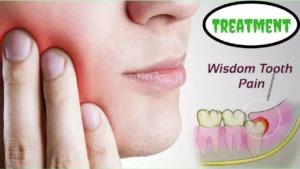
Ice reduces inflammation and numbs the area. Hold an ice pack against the outside of your jaw for 15 minutes. Take a 15-minute break. Repeat several times daily.
Why does this work? Cold numbs nerves and constricts blood vessels, reducing swelling. Simple, effective, free.
Salt Water Rinses (The Classic for a Reason)
Mix half a teaspoon of salt into eight ounces of warm water. Wisdom teeth pain Rinse your mouth thoroughly, especially the area around the painful tooth. Do this after meals and before bed.
Salt water is mildly antimicrobial and reduces inflammation in gum tissue. It’s been used for centuries because it actually works.
Clove Oil (Nature’s Anesthetic)
Clove contains eugenol, a natural anesthetic. Soak a cotton ball in clove oil and apply it directly to the painful area. Leave it there for several minutes.
Fair warning: clove oil tastes strongly. Wisdom teeth pain But if the pain relief justifies the taste, many people swear by this method.
Pressure Application
Sometimes firm, gentle pressure on the area helps. Wisdom teeth pain Use your thumb or a clean finger to apply steady pressure to your gum near the painful tooth. This can relieve discomfort for periods of time.
Turmeric Paste
Mix turmeric powder with a bit of water to create a paste. Apply it to the painful area. Turmeric has anti-inflammatory properties and might reduce soreness.
Heat for Jaw Tension
While ice works for acute pain, heat helps with jaw tension and stiffness. If your pain involves jaw soreness or muscle tension, try a warm compress or heating pad on your jaw.
Dietary Adjustments
Avoid hard, crunchy foods. Skip hot foods and beverages. Wisdom teeth pain Stick with soft foods that don’t require chewing. This reduces irritation to the area.
Rest Your Jaw
Minimize jaw movement. Avoid unnecessary talking. Don’t chew on that side of your mouth. Give the area time to settle.
Over the Counter Medications: What Actually Helps
When home remedies aren’t enough, these medications provide real relief.
Ibuprofen (Your Best Option)
Ibuprofen is an NSAID (nonsteroidal anti-inflammatory drug). It reduces both pain and inflammation. For wisdom teeth pain, it’s often more effective than acetaminophen because it addresses the inflammation causing discomfort.
Take 400-600mg every 4-6 hours as needed, following package directions. Don’t exceed maximum daily doses.
Acetaminophen
Acetaminophen reduces pain but doesn’t fight inflammation. For wisdom teeth pain specifically, ibuprofen usually works better. But if you can’t take ibuprofen, acetaminophen is your alternative.
Topical Numbing Agents
Products containing benzocaine numb the area temporarily. You get 15-30 minutes of numbness, which might be enough to eat or sleep.
These work best as temporary solutions, not long-term pain management.
Combining Medications
Some people find that alternating ibuprofen and acetaminophen provides better relief than either alone. Check with a pharmacist about whether this is appropriate for you. Never exceed maximum daily doses of either medication.
When You Need Professional Help (Don’t Skip This)
Some situations require a dentist or oral surgeon. Waiting it out makes things worse.
See a dentist immediately if:
- Pain is severe and worsening
- You have swelling in your face, jaw, or throat
- You can’t open your mouth normally
- You’re running a fever
- You notice discharge or pus
- Pain started after extraction and keeps getting worse (sign of dry socket)
- Pain has persisted for more than a week without improvement
Schedule an appointment soon if:
- Pain is moderate and persistent for more than a few days
- You notice infection signs (redness, warmth, swelling)
- Your wisdom tooth is partially erupted and causing ongoing discomfort
- You’re worried about impaction
A dentist or oral surgeon can assess whether your wisdom tooth is impacted, infected, or positioned problematically. They’ll determine whether extraction makes sense or whether conservative management is appropriate.
Wisdom Teeth Extraction: What to Expect
Sometimes extraction becomes necessary. Understanding what happens reduces anxiety.
Why extraction might be recommended:
- Impacted teeth causing pain or damage to adjacent teeth
- Infection that doesn’t respond to antibiotics
- Damage to neighboring molars
- Repeated pain and inflammation
- Cyst formation around the tooth
Before extraction:
Your dentist takes X-rays and assesses the tooth’s position. They’ll discuss anesthesia options and post-operative care. Ask questions. Understanding the procedure reduces fear.
During extraction:
Most extractions happen under local anesthesia. You’ll feel pressure and hear crunching sounds, but you shouldn’t feel pain. The procedure takes 20 45 minutes depending on tooth position and complexity.
After extraction:
Expect swelling and discomfort. Your mouth will feel strange. Bleeding is normal for the first few hours. Bruising and tenderness can last several days to a couple weeks.
Pain management post extraction:
Follow your dentist’s pain medication recommendations. Use ice for the first 48 hours. After that, switch to heat if swelling persists. Take prescribed antibiotics as directed. Avoid straws, smoking, and vigorous rinsing, which can cause dry socket.
Most people feel dramatically better once the problematic tooth is gone. The relief often outweighs the temporary discomfort.
Prevention: Can You Actually Avoid Wisdom Teeth Problems?
Preventing wisdom teeth problems isn’t entirely possible. Genetics largely determine whether you’ll have issues. But you can minimize discomfort.
Keep your mouth clean: Brush gently around erupting teeth. Use floss or a water flosser to remove food debris. Poor oral hygiene around wisdom teeth increases infection risk.
Visit your dentist regularly: Professional cleanings help prevent infection. Regular checkups let your dentist monitor your wisdom teeth before problems develop.
Avoid hard foods: Skip hard candies, nuts, and crunchy foods that put pressure on erupting teeth.
Don’t ignore early signs: If you notice swelling, redness, or persistent ache, get it checked. Early intervention prevents serious problems.
Stay hydrated: Drink plenty of water. Dehydration increases inflammation and worsens pain.
Manage stress: Stress increases inflammation. Tension makes jaw pain worse. Whatever reduces your stress helps with wisdom teeth discomfort too.
Real Stories: What People Actually Experience
Maria dealt with wisdom teeth pain for four months. “It wasn’t constant,” she explains. “Some days I forgot about it completely. Then suddenly, intense throbbing pain would hit. I tried ice, ibuprofen, everything. Eventually, my dentist said they were impacted. Once I had them extracted, the relief was incredible.”
James’s experience was different. “My wisdom teeth came in with minimal fuss. Slight soreness for a few days. Then nothing. I was shocked because everyone made it sound like this major ordeal.”
Amanda faced infection. “My pain got progressively worse. I thought I was overreacting. By the time I saw my dentist, I had a serious infection. Antibiotics helped, but I eventually had them extracted anyway. I wish I’d gone to the dentist sooner.”
These stories illustrate the range of experiences. Yours might fall anywhere on this spectrum.
The Bottom Line
Wisdom teeth pain is real. It’s frustrating. It’s often confusing because the pain shows up in unexpected places. But it’s manageable.
Start with home remedies and over the counter pain relief. These work for many people. If pain persists, worsens, or shows signs of infection, see a dentist. Don’t wait hoping it improves when warning signs suggest a serious problem.
Whether your pain eventually goes away on its own or requires extraction, understand that millions of people have walked this path before you. Your teeth pain wisdom teeth situation is temporary.
FAQ:
How long does wisdom teeth pain typically last?
Duration varies widely. Eruption pain usually lasts from a few days to several months. If your wisdom tooth erupts fully and cleanly, pain might stop within a week or two. If complications develop, pain can persist longer. Post-extraction pain typically decreases significantly within 7 10 days, though mild soreness can linger for several weeks.
Can wisdom teeth pain go away on its own?
Yes, eruption pain often resolves once the tooth fully emerges. However, if your wisdom tooth is impacted or infected, pain won’t improve without intervention. Impacted teeth won’t suddenly unimpact themselves. Infections worsen without treatment. If pain persists beyond a week or two, or if it’s severe, professional evaluation is necessary.
Is ibuprofen or acetaminophen better for wisdom teeth pain?
Ibuprofen is generally more effective for wisdom teeth pain because it reduces inflammation, which is usually the root cause. Wisdom teeth pain often stems from swollen gums and inflammation around the erupting tooth. Acetaminophen addresses pain but not inflammation. Wisdom teeth pain That said, follow your doctor’s recommendations based on your health history and any medications you’re taking.
What’s the difference between normal pain and infection?
Normal eruption pain causes tenderness and aching. Wisdom teeth pain Infection causes severe, throbbing pain that progressively worsens. You’ll likely notice redness, swelling, warmth to the touch, and possibly discharge. Fever often accompanies infection. If you suspect infection, contact your dentist immediately. Don’t wait to see if it improves.
Should I get my wisdom teeth removed if they hurt?
Not necessarily. If your pain is simple eruption discomfort and your teeth are positioned normally, you might keep them. However, if your teeth are impacted, damaging other teeth, or causing repeated infections, extraction makes sense. Wisdom teeth pain Your dentist can assess whether removal is advisable in your specific situation.
Can wisdom teeth pain cause ear pain?
Absolutely. Wisdom teeth pain Wisdom teeth sit close to your ear canal and trigeminal nerve pathways. Pain from your wisdom tooth commonly radiates to your ear, creating what feels like an ear infection. This referred pain is incredibly common and confusing. Your ear might be perfectly healthy, but you’re experiencing genuine ear pain stemming from your wisdom tooth.
How do I know if I need emergency care?
Seek immediate care if you experience severe pain with swelling in your face or throat, difficulty swallowing, fever above 101°F, signs of infection with pain that worsens rapidly, or signs of dry socket after extraction (severe pain starting 3 4 days after extraction). Wisdom teeth pain These situations require professional intervention quickly.

Raheel is the founder of WisdomToothPain. info, a specialized platform dedicated to demystifying dental health. As a dedicated digital researcher, Raheel focuses on providing clear, accurate, and evidence-based information to help individuals navigate the complexities of wisdom tooth pain with confidence. This content is for informational purposes only and isn’t a substitute for professional dental advice. Always consult a licensed dentist for diagnosis and treatment.