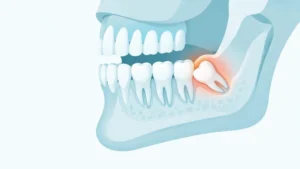

Not every ache in the back of your mouth means trouble. Wisdom teeth are notorious for causing dull, on and off discomfort as they push their way through the gum and that alone doesn’t mean you have an infection. But when bacteria get trapped around a How to Know If Your, Wisdom Tooth, Is Infected, the symptoms usually change in a specific, recognizable way. Knowing that pattern is what tells you whether you’re dealing with ordinary eruption pain or a wisdom tooth infection that needs a dentist.
Quick answer: The clearest signs of an infected wisdom tooth are pain that keeps getting worse instead of coming and going, swollen or red gum tissue around the tooth, a bad taste or visible pus, difficulty opening your mouth wide, swollen lymph nodes under your jaw, and in more advanced cases fever or facial swelling. If you notice two or more of these together, it’s time to call a dentist.
Below is a complete breakdown of what causes these infections, how to tell pain from infection, and when discomfort crosses the line into a dental emergency.
Why Wisdom Teeth Get Infected in the First Place
Most adults simply don’t have enough room at the back of the jaw for a third set of molars. When a wisdom tooth can’t fully break through the gum, it stays partially covered by a flap of tissue called an operculum. That flap creates a small pocket where food debris and bacteria collect and because it’s so far back in the mouth, it’s genuinely hard to brush or floss well enough to keep clean.
Over days or weeks, trapped bacteria irritate the surrounding gum tissue and cause an infection dentists call pericoronitis literally, around the crown. it’s one of the most common reasons people in their late teens and twenties end up in a dentist’s chair for an unplanned visit. The same trapped food problem can also happen with wisdom teeth that grow in sideways or at an angle since they crowd against the neighboring molar and create more spots for plaque to hide.
How to Know If Your Wisdom Tooth Is Infected: Signs and Symptoms Checklist

Infection symptoms tend to show up together, not in isolation, and they tend to get worse rather than staying the same. here’s what to look and feel for.
1. Pain That’s Getting Worse, Not Better
Normal eruption discomfort tends to come and go, and it’s usually triggered by chewing or pressure. Infection pain behaves differently it builds over a day or two, can throb, and often keeps you up at night.
2. Red Swollen or Tender Gum Tissue
Look at the gum flap covering the back molar. Infected tissue is usually redder than the gum around it, puffy to the touch, and tender or sore when you touch it with your tongue or a toothbrush.
3. Pus or Discharge Around the Tooth
If you notice a yellowish discharge, or you can gently press near the tooth and see fluid come out, that’s a strong sign of active infection rather than simple irritation.
4. A Persistent Bad Taste or Bad Breath
Bacteria trapped under the gum flap often produce a sour or metallic taste that doesn’t go away with brushing or mouthwash this is frequently one of the earliest signs people notice.
5. Difficulty Opening Your Mouth Wide Trismus
When infection spreads into the muscles around the jaw opening your mouth fully can become stiff or painful. This symptom, sometimes called lockjaw is a sign the infection has moved beyond the gum itself.
6. Swelling in the Cheek Jaw or Face
Mild puffiness right around the tooth is common with irritation. Swelling that spreads outward into your cheek or along your jawline is a sign the infection is progressing and needs prompt attention.
7. Swollen Lymph Nodes Under the Jaw or Chin
Your lymph nodes swell when your immune system is actively fighting an infection. Tender lumps under your jaw or along your neck are a common accompanying sign.
8. Pain That Radiates to Your Ear Throat or Head
Because the lower wisdom teeth sit close to nerves that also serve the ear and throat, an infection can cause referred pain that feels like an earache, sore throat, or one-sided headache.
9. Fever or Feeling Generally Unwell
A low grade fever fatigue, or a general run-down feeling suggests your body is mounting a systemic response, not just a local one. This is a sign to seek care the same day.
10. Difficulty Chewing or Swallowing
As swelling increases, biting down or swallowing can become uncomfortable or painful on the affected side.
Wisdom Tooth Pain vs. Infection: How to Tell the Difference

Because wisdom teeth almost always cause some discomfort while erupting, it helps to compare the two side by side.
| Normal Eruption Discomfort | Signs of Infection |
| Comes and goes, often tied to chewing | Steady, worsening, or disrupts sleep |
| No swelling beyond mild puffiness | Swelling spreads to cheek, jaw, or face |
| No unusual taste or smell | Persistent bad taste, odor, or visible pus |
| Mouth opens normally | Stiffness or difficulty opening the mouth |
| No fever or swollen glands | Fever, fatigue, or tender lymph nodes |
If your symptoms match the left column, it’s still worth mentioning at your next dental visit. if they match the right column especially more than one at a Time That’s your signal to book an appointment soon rather than waiting it out.
A 5-Question Self Check
Ask yourself these questions. The more you answer yes to, the more likely you’re dealing with an infection rather than normal eruption pain.
- Has the pain gotten worse over the last 24-48 hours instead of staying the same?
- Can you see redness, swelling, or discharge around the tooth?
- Do you have a bad taste or smell that mouthwash doesn’t fix?
- Is it harder than usual to open your mouth fully?
- Do you feel feverish, fatigued, or notice tender lumps under your jaw?
Two or more yes answers is a reasonable threshold for calling your dentist within the next day or two rather than waiting for your next routine cleaning.
When it’s a Dental Emergency
Most wisdom tooth infections start mild and are very manageable if you’re seen promptly. but a smaller number of cases escalate quickly, because infections at the back of the jaw have direct pathways into deeper tissues of the face and neck. Seek same-day or emergency care if you experience:
- Swelling that is spreading quickly or feels hard and warm
- Difficulty breathing or swallowing
- A fever that keeps climbing
- Swelling severe enough to affect your eye or push into your neck
- Jaw stiffness so severe you can barely open your mouth
These symptoms can signal that infection is spreading beyond the tooth into the jawbone, soft tissue, or in rare but serious cases the bloodstream. This is not something to manage with home remedies; it requires urgent evaluation, and in some cases a trip to an emergency room rather than waiting for a dental office to open.
What Happens if You Ignore it
Left untreated, a wisdom tooth infection doesn’t usually resolve on its own, because the gum flap that’s trapping bacteria stays in place. Over time, it can lead to:
- Abscess formation a pocket of pus that increases pain and swelling
- Spread to neighboring teeth: Bacteria can affect the health of the second molar next to it
- Bone loss around the infected tooth
- Cysts forming around an impacted tooth
- Spread to the jaw, face, or neck, which is harder to treat the longer it’s left
- In rare, severe cases, a systemic infection that requires hospitalization
This is why dentists generally recommend treating even a mild infection promptly rather than waiting to see if it clears up.
How Dentists Diagnose and Treat it
A dentist or oral surgeon will typically examine the gum tissue, check for swelling, tenderness, and discharge, and take an X-ray to see the tooth’s position and whether the infection has affected the surrounding bone. From there, treatment usually depends on severity:
- Mild cases: professional cleaning under the gum flap, saltwater rinses, and monitoring
- Moderate cases: antibiotics to control the infection, sometimes combined with cleaning
- Recurring or severe cases: removal of the gum flap (operculectomy) or extraction of the wisdom tooth itself, which is often the most reliable way to prevent the infection from coming back
Not every infected wisdom tooth needs to be removed on the spot but if the tooth is impacted or infections keep recurring, extraction is usually the long term fix dentists recommend.
Easing Symptoms While You Wait for Your Appointment
While you’re waiting to be seen, you can take a few steps to stay more comfortable:
- Rinse gently with warm salt water several times a day
- Use an over-the-counter pain reliever as directed on the label
- Apply a cold compress to the outside of your cheek to reduce swelling
- Keep the area as clean as possible with gentle brushing, avoiding aggressive scrubbing
- Stick to soft foods and avoid chewing on the affected side
These steps can make you more comfortable, but they don’t treat the underlying infection a dental evaluation is still necessary.
Frequently Asked Questions
Can a wisdom tooth infection go away on its own? Mild irritation from eruption can settle down, but a true infection usually won’t resolve without professional cleaning, antibiotics, or removal of the trapped tissue, since the bacteria’s food source stays in place.
How long can a wisdom tooth infection last untreated? It varies, but symptoms often worsen over several days to a couple of weeks rather than improving, and can flare up repeatedly if the underlying cause usually a gum flap or impacted tooth isn’t addressed.
Is it normal for wisdom teeth to smell bad? A mild odor from hard to clean back teeth isn’t unusual, but a strong, persistent bad taste or smell that doesn’t respond to brushing is a common early sign of infection.
Does an infected wisdom tooth always need to be removed? Not always. Mild, first-time cases are sometimes managed with cleaning and monitoring. But if the tooth is impacted or the infection keeps returning, extraction is typically recommended to prevent recurrence.
Can wisdom tooth infection cause ear pain? Yes. Because of shared nerve pathways, an infected lower wisdom tooth can cause pain that radiates to the ear, jaw, or throat, which is sometimes mistaken for an ear infection.
The Bottom Line
A little soreness while a wisdom tooth erupts is common and usually nothing to worry about. But worsening pain, swelling, a bad taste, or difficulty opening your mouth are signs your body is fighting an actual infection not just growing pains. When in doubt, it’s always safer to have a dentist take a look than to wait and see, since these infections tend to get harder to treat the longer they’re left alone.
This article is for general educational purposes and isn’t a substitute for professional dental evaluation. If you’re experiencing spreading swelling, fever, or difficulty breathing or swallowing, seek emergency care right away.
What is Pericoronitis?
Pericoronitis is the inflammation or swelling of the gum tissue surrounding a wisdom tooth typically lower wisdom teeth that hasn’t fully emerged or is only partially trapped impacted under the gums. It can be short-term (acute) or long term chronic.
Symptoms
-
Acute Pericoronitis:
-
Severe pain around the back teeth
-
Redness and swelling of the gum tissue
-
Pus or drainage
-
Fever and swollen lymph nodes in the neck
-
Facial swelling or lockjaw
-
Discomfort when swallowing
-
-
Chronic Pericoronitis:
-
Mild, temporary achiness near the back teeth
-
Bad breath or a bad taste in the mouth
-
Causes
The primary cause is partial wisdom tooth impaction. When a tooth is partially trapped, a flap of gum tissue (called an operculum) can form over the top of it, trapping food particles, bacteria, and debris underneath, which leads to infection and inflammation.
Management and Treatment
Treatment depends on the severity of the inflammation and may include:
-
Professional Dental Cleaning: Flushing out debris, plaque, and tartar from the affected area.
-
Medications: Oral antibiotics to clear up infections or prescription antiseptic mouthwashes (containing chlorhexidine) to kill bacteria.
-
Surgical Options:
-
Operculectomy: A minor procedure to remove the excess gum flap.
-
Wisdom Tooth Removal: Extracting the wisdom tooth entirely if problems persist.
-
-
At-Home Relief: Rinsing with warm saltwater, using an alcohol-free antibacterial mouthwash, maintaining diligent oral hygiene, and taking over-the-counter pain relievers like ibuprofen or acetaminophen.
Note: Prompt professional dental care is essential, as untreated pericoronitis can lead to painful abscesses or severe spreading infections.

Hi, I’m Jack! I am a health writer at Wisdom Tooth Pain, dedicated to sharing practical tips, remedies, and evidence-based guidance to help you manage wisdom tooth discomfort and maintain better oral health. This content is for informational purposes only and isn’t a substitute for professional dental advice. Always consult a licensed dentist for diagnosis and treatment.